

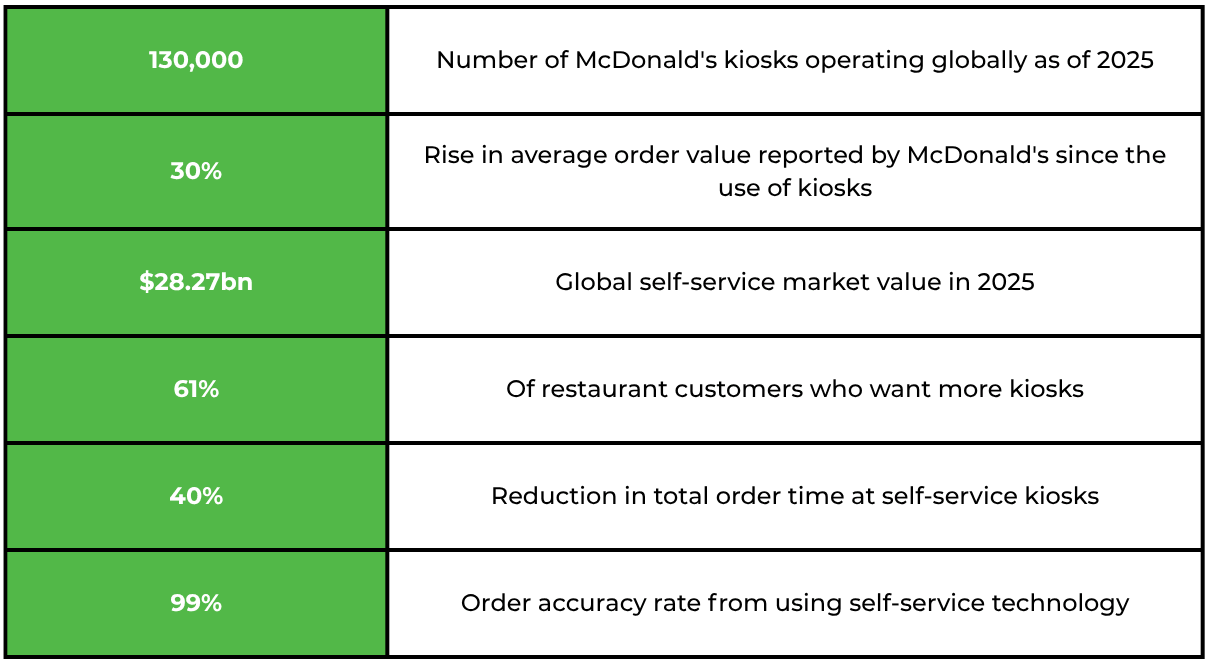
When McDonald’s began rolling out self-order kiosks across its UK stores in 2015, it was seen as a bold experiment by others in the field. A decade on, they have now guided the way for others in the industry. The golden arches now operate over 130,000 kiosks worldwide!
For restaurant operators and hospitality owners still weighing up the investment, the question is no longer whether kiosks do the job; it is whether you can afford to be without them.
The latest insights at a glance
A better McDonald’s
Back in 2015, McDonald’s initial kiosk push was motivated by both rising labour costs and a need to refresh a brand that had become known for being cheap, fast, but also unremarkable. The way forward was to invest in the customer experience. They wanted to allow customers to take their time, make it easier to customise their order and allow them to be in the driving seat of what they were eating.
This change in direction paid off. McDonald’s saw a 5-6% lift in sales from their first year of self-service kiosk deployment across new locations. Fast forward over 10 years, and this technology is now widespread across not only large fast food restaurants but also smaller chains too.
As of 2025, the global self-service kiosk market is worth around $28.27 billion.
Why customers spend more at kiosks
One of the most compelling findings from the McDonald’s kiosk data is that there was a consistent increase in the average order value. On average, there was a 30% rise in average check size.
The reasons behind the uplift were clear. When ordering at a manned till, customers feel pressure from the queue building behind them, a cashier waiting, and that overall sense that they are holding things up. When ordering at a kiosk, that pressure is lifted; they can browse at their own pace and explore the menu in full. They’re also far more receptive to upsell suggestions, like that simple checkout automation pop-up asking if you’d like to add a cookie for an extra £1, which makes you think, why not?
Over the years, McDonald’s has refined their touchscreen self-service kiosks further with intelligent UI design. The kiosks use behavioural data to offer personalised suggestions, run A/B testing on menu layouts and can adapt their recommendations based on the day, location and customer profile.
Lower costs & better operations
One of the most obvious cases for using self-service kiosks is the cost reduction. With hospitality wage bills on the rise (driven by things such as the National Living Wage increases in the UK), there is continuous pressure on restaurant operators to do more with less.
To be very clear, kiosks do not replace your people! What they can do is free your team members from order-taking so they can focus on other areas of the business that require human attention, such as cooking, table service, and handling complex customer queries. At the time of launch, McDonald’s CEO Steve Easterbrook explained that the aim was to transition staff into
“more customer service roles such as concierges and table service where they are able to truly engage with guests.”
The operational benefits of a self order kiosk also extend beyond labour. They reduce order errors with stats showing a 99% order accuracy, which cuts both food waste and speeds up kitchen turnaround.
Understanding your customers through data
A massive area, which sometimes gets forgotten about, is the data that self-ordering kiosks can generate. Every interaction gives restaurant operators information such as what customers order, what upsells they choose to add, what products they skip over, when they visit, and how long they take to order.
Over time, this data paints a clear picture and becomes an asset, allowing restaurants to:
- Tailor menus and promotions
- Identify products driving margin
- Personalise the ordering experience
- Manage inventory more accurately.
Interested in AI-powered customer-service kiosks?
Other industries that can benefit
Not operating in the QSR industry?
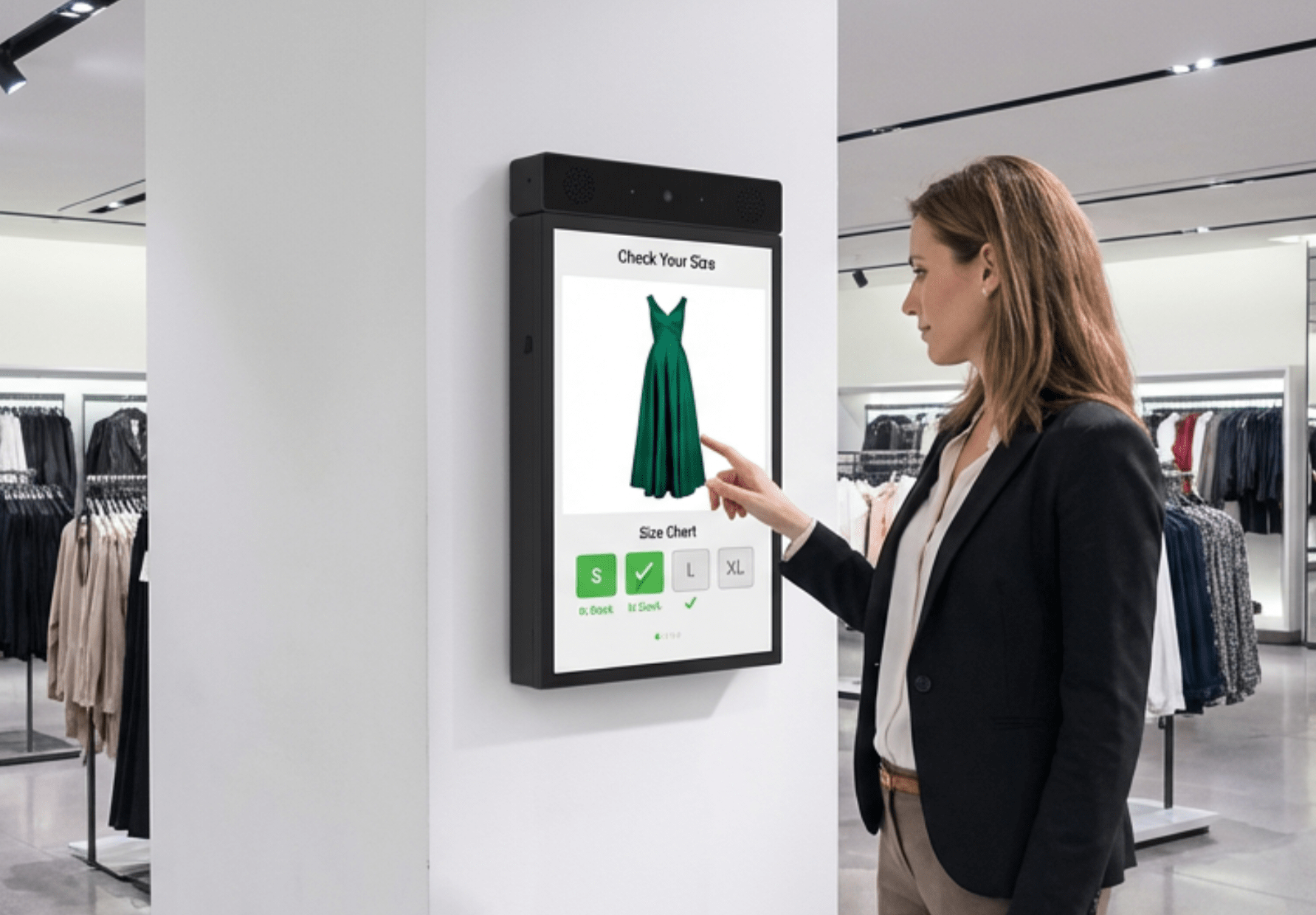
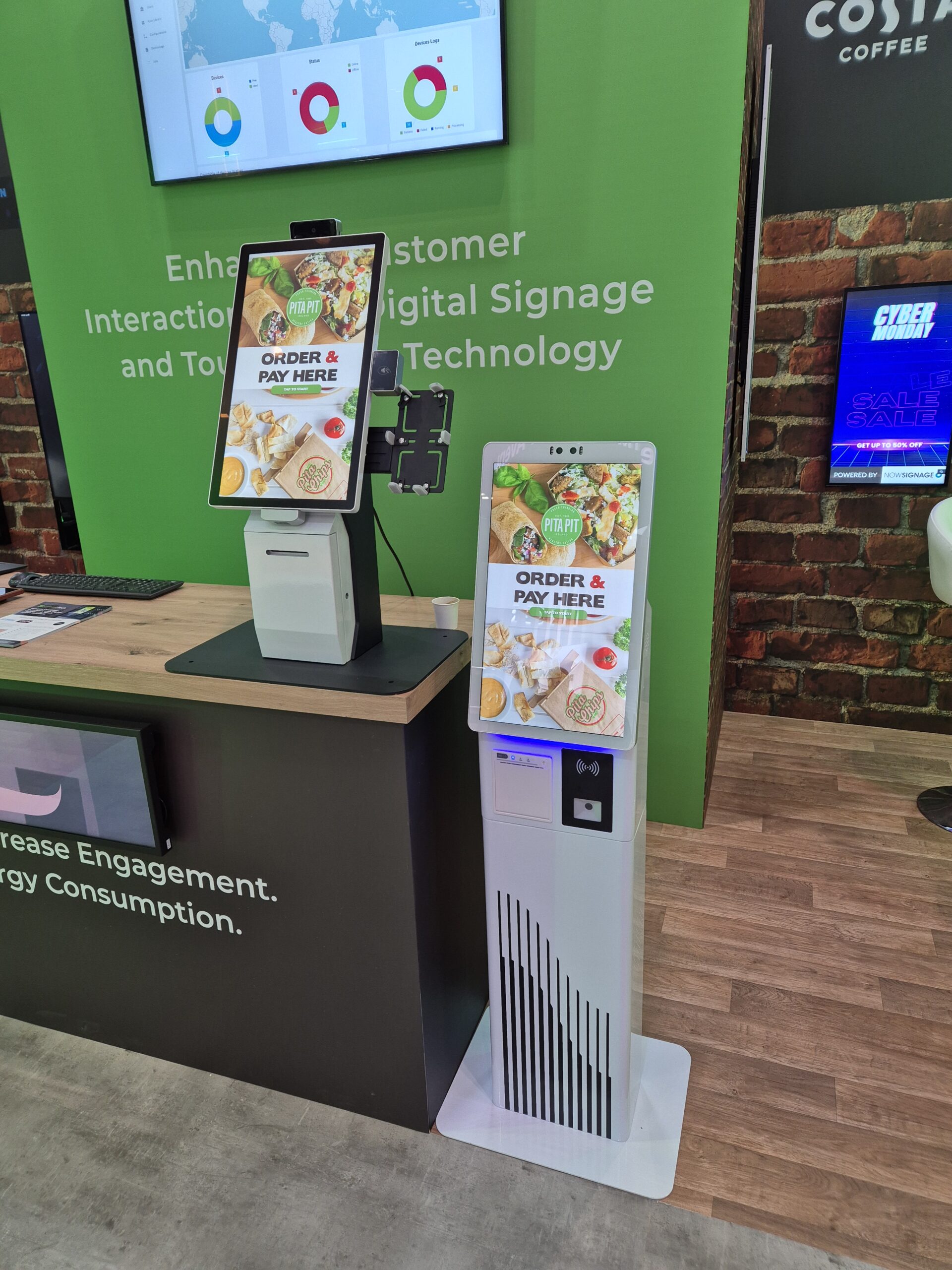
While McDonald’s help put self-order kiosks on the map, the technology has since spread far and wide across other industries. Kiosk deployments are rapidly growing across other industries, including:
- Cinemas and theatres
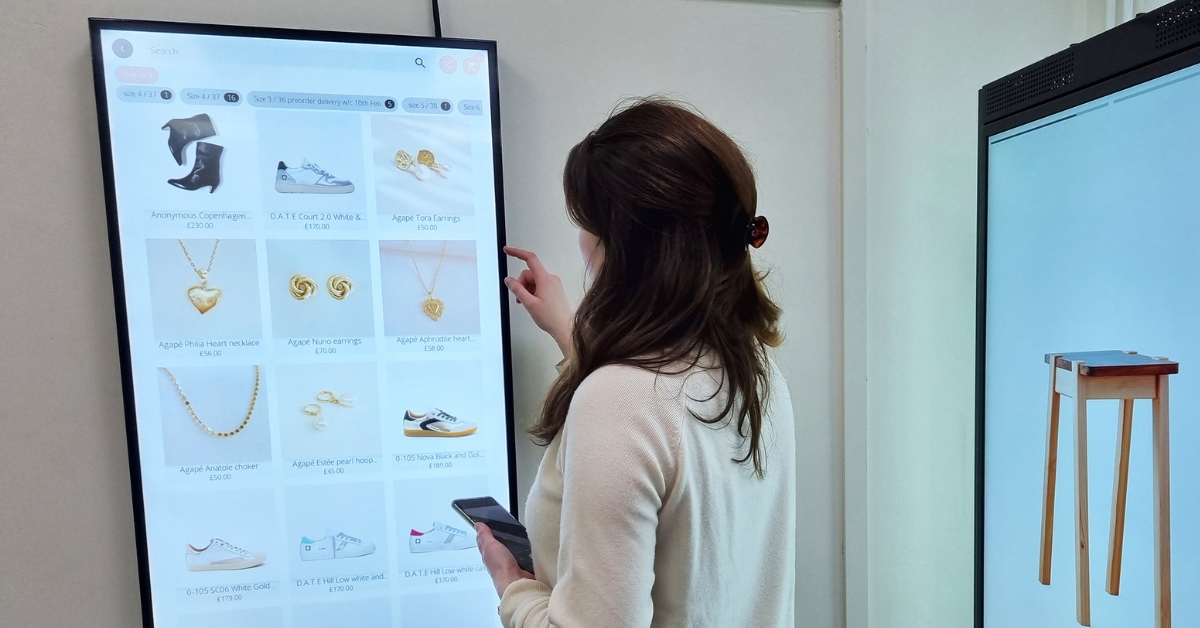
- Retail
- Healthcare and public sector
- Hotels and hospitality
- Transport
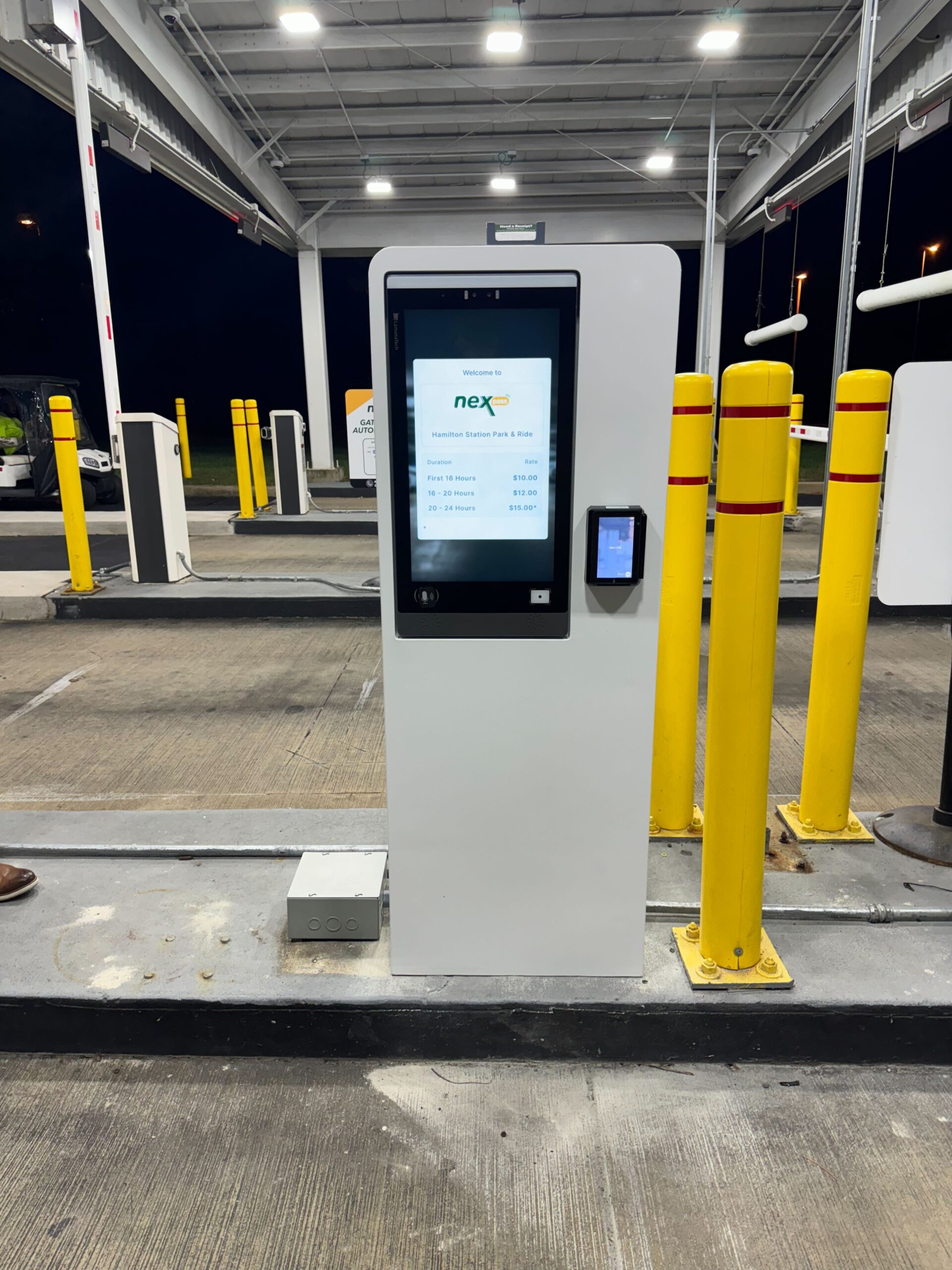
- Car parks
The technology has fully matured, with kiosks now capable of adapting to most ordering and information delivery scenarios.
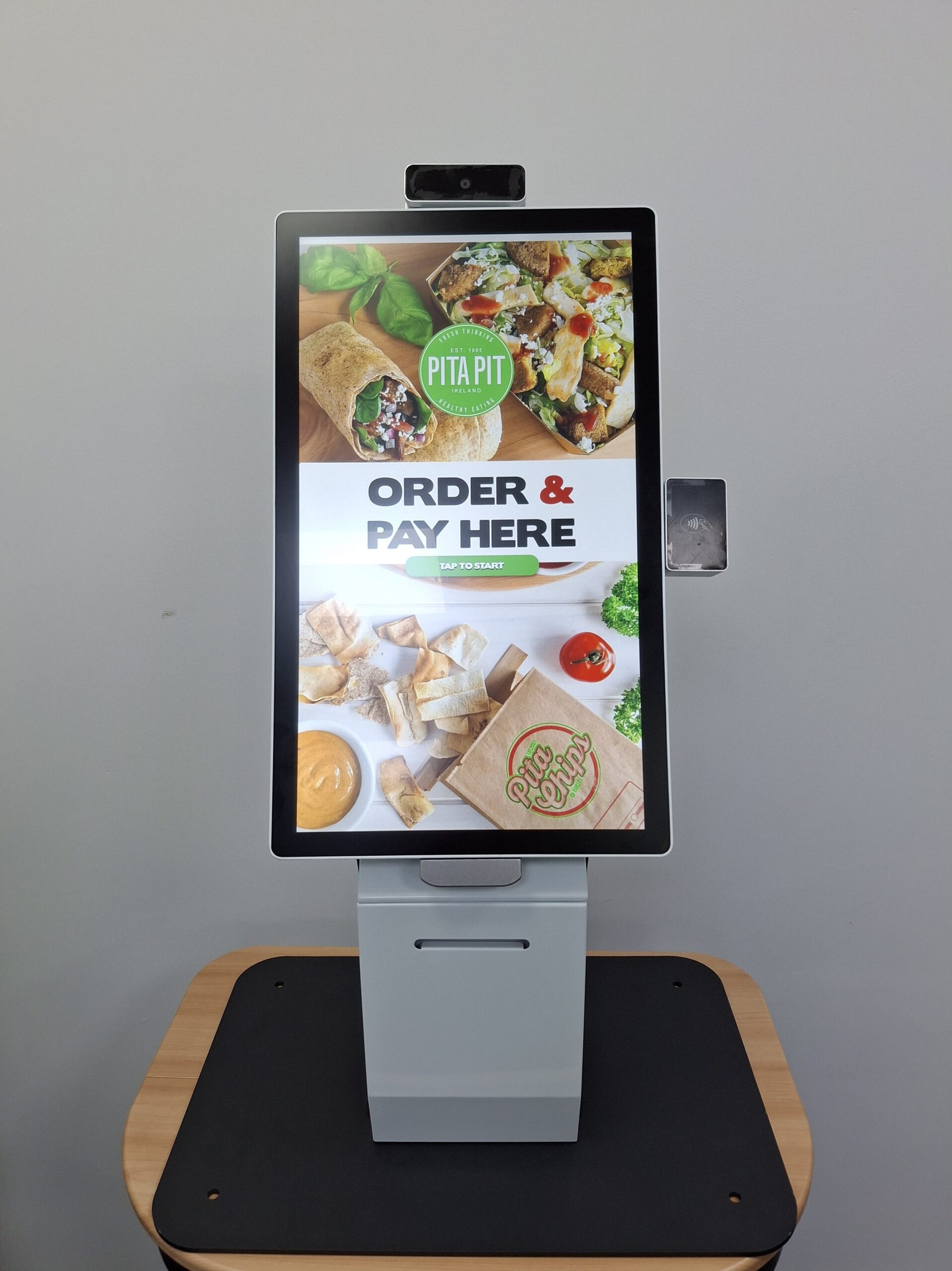
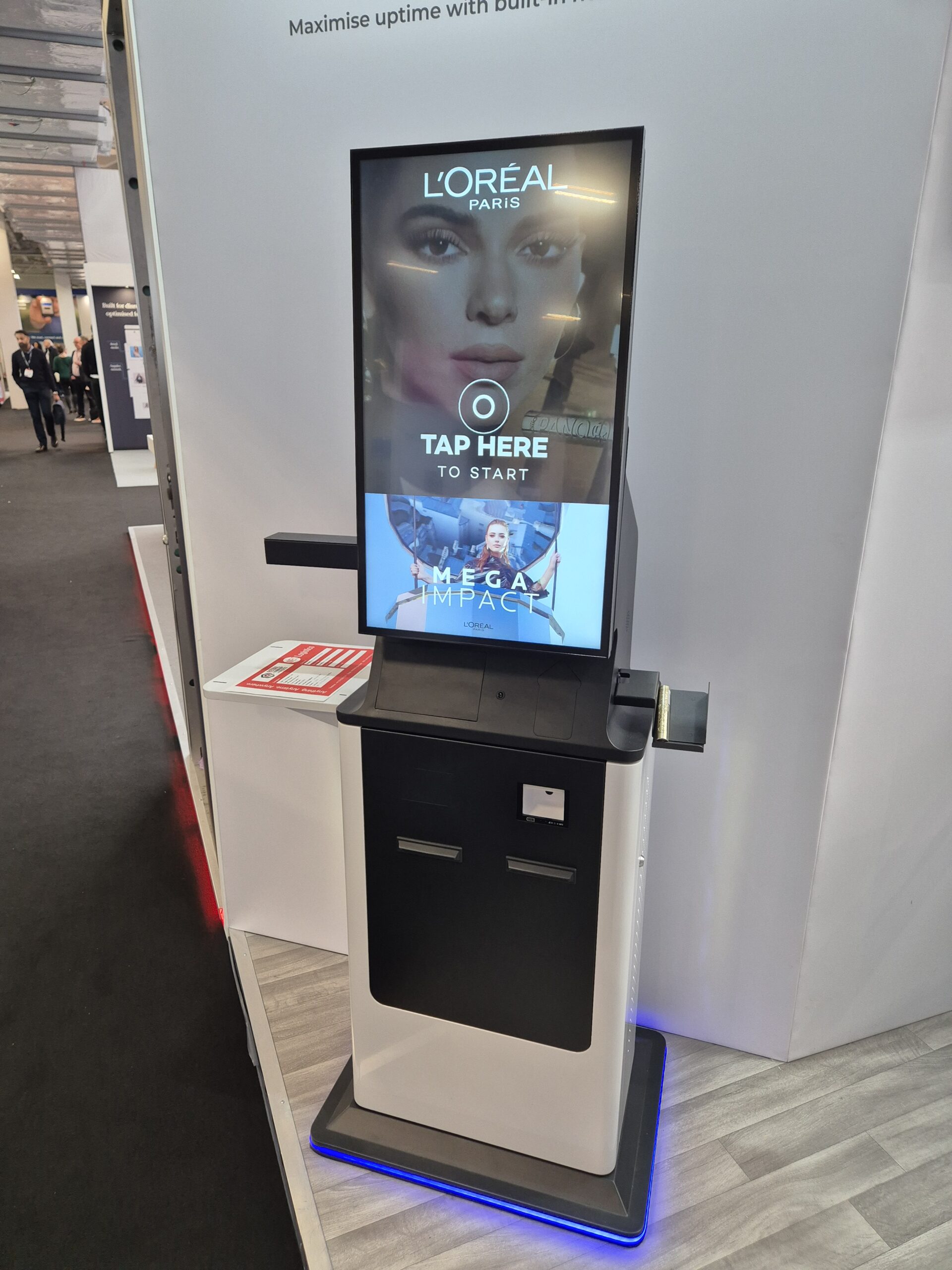
Check out some of our self-service projects
Ready to bring self-service kiosk technology to your business
McDonald’s proved the model. The data is clear. The question is no longer whether to invest but more around how to do it right for your business.
At LamasaTech, we design and deploy self-service kiosk solutions which can be tailored to your brand, your indoor or outdoor space, your requirements and your customers. Whether you’re a QSR operator or from another industry, we’d love to show you what is possible.
Get in touch with our team through our contact form or chat or if you’d prefer, give us a call. We can’t wait to discuss your project further.
Contact the team